
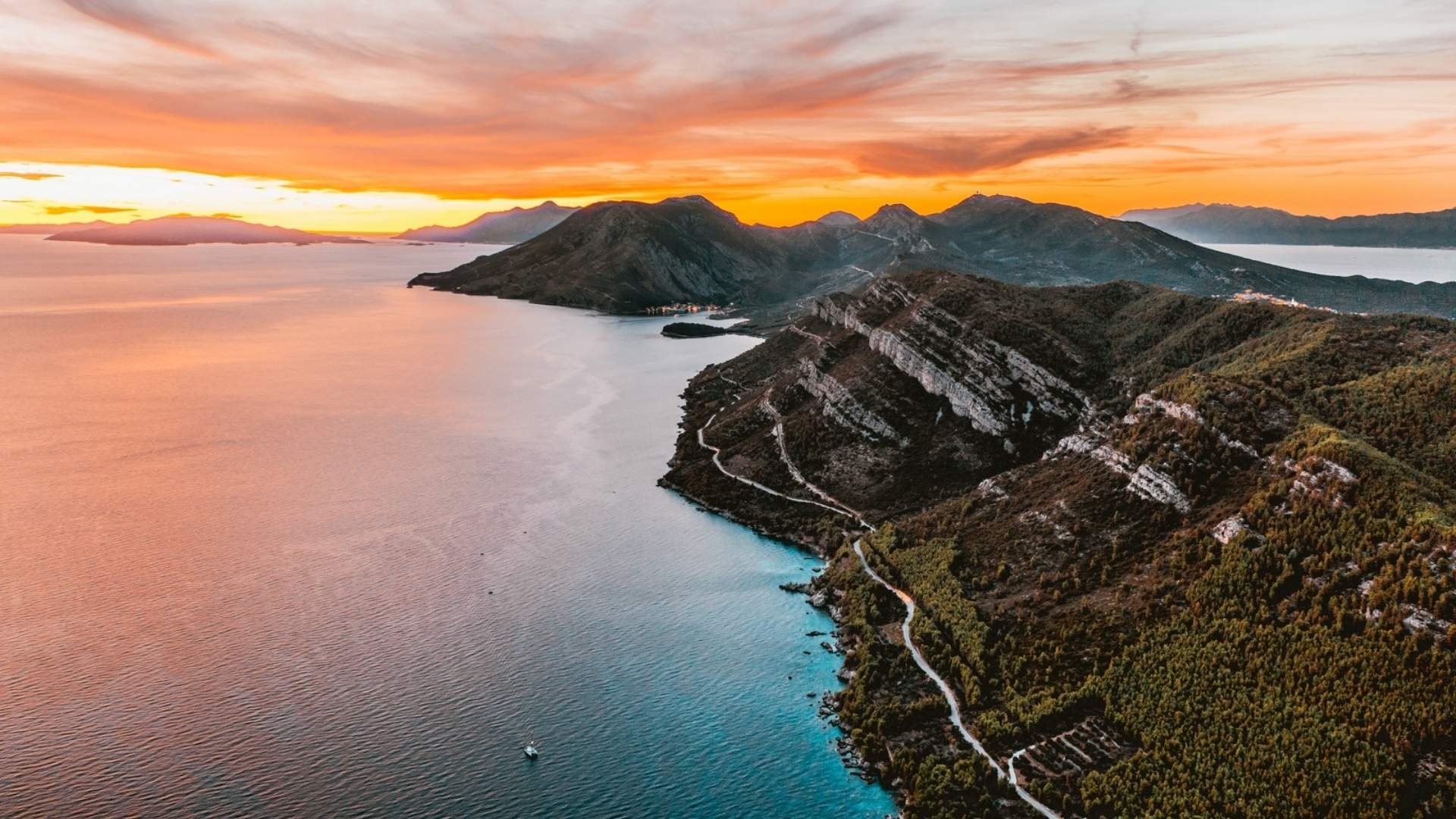
Stretching like a long, sun-kissed arm into the Adriatic Sea, Pelješac is one of southern Croatia’s most captivating regions. Visitors often come for the beaches, wine, and sailing — but beneath the surface lies a story shaped by empires, salt, stone, seafarers, and centuries of tradition.
To truly understand Pelješac, you have to look beyond the postcard views. Its culture is layered, its history resilient, and its identity deeply connected to both the sea and the land.
A Peninsula Shaped by the Sea
Pelješac has always lived in conversation with the Adriatic. Its coastline is dramatic and indented, filled with quiet coves and natural harbors. For centuries, these sheltered waters made the peninsula strategically valuable.
From early Illyrian tribes to Roman settlers, Pelješac was part of important maritime routes linking the eastern Adriatic with the Mediterranean world. Archaeological remains scattered across the peninsula — including Roman villas and ruins — hint at its long-standing importance.
But Pelješac truly rose to prominence in the Middle Ages under the influence of the powerful Republic of Ragusa, today known as Dubrovnik.
Dubrovnik Old Town Traffic & Parking: Why a Private Day Trip Is the Smartest Way to Visit
The Republic of Ragusa and the Walls of Ston
In the 14th century, the Republic of Ragusa recognized Pelješac’s immense value — not only for its location but for its salt production. Salt was once considered “white gold,” and controlling salt meant economic power.
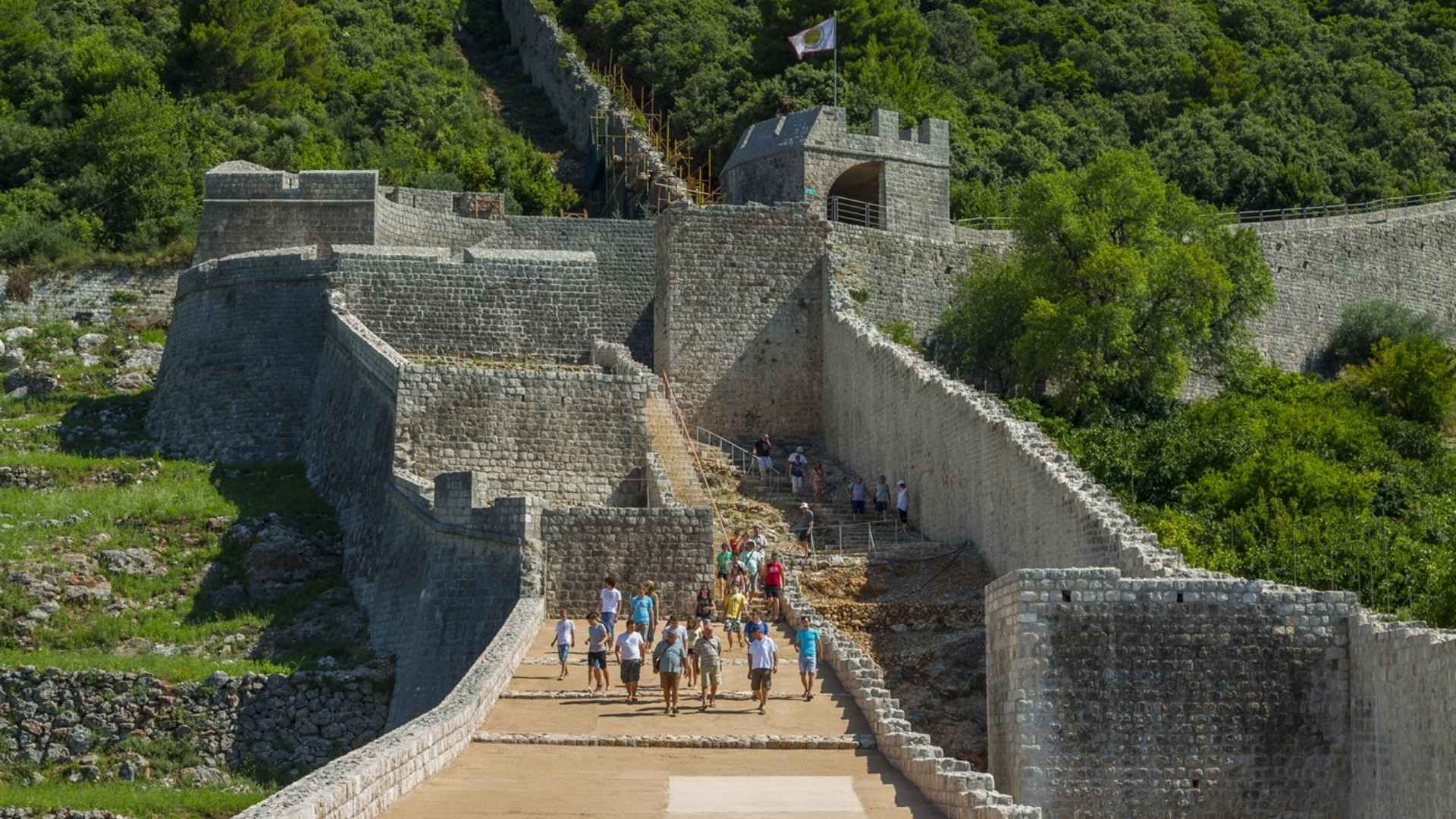
To protect their valuable salt pans in the town of Ston, the Ragusans constructed one of the most impressive defensive systems in Europe: the Walls of Ston.
Often called the “European Great Wall,” these fortifications stretch over five kilometers, connecting Ston with nearby Mali Ston and climbing the steep hills above. Built in the 14th and 15th centuries, the walls protected not only the salt pans but also the entire peninsula from invasion.
Even today, walking the Walls of Ston feels like stepping back in time. They stand as a powerful reminder of how vital Pelješac once was to regional politics and trade.
Stone, Faith, and Maritime Heritage
Beyond fortifications, Pelješac developed through its villages — small communities built from local stone, clustered around churches and harbors.
One of the peninsula’s most iconic towns is Orebić, which grew into an important maritime center in the 18th and 19th centuries. Wealthy sea captains built elegant stone houses along the waterfront, many of which still stand today.
Above Orebić sits the Franciscan monastery of Our Lady of the Angels Monastery, founded in the 15th century. Perched on a hill, it overlooks the Pelješac Channel and the island of Korčula. For sailors returning home, the monastery was often the first landmark they saw — a symbol of protection and safe arrival.
Maritime tradition remains an important part of local identity. Generations of Pelješac families worked at sea, navigating trade routes across the Mediterranean and beyond. Their stories are woven into local culture, from family histories to preserved ship models and captain’s houses.
Wine: The Soul of Pelješac
If the sea shaped Pelješac’s trade, the land shaped its soul — and nowhere is this more evident than in its wine.
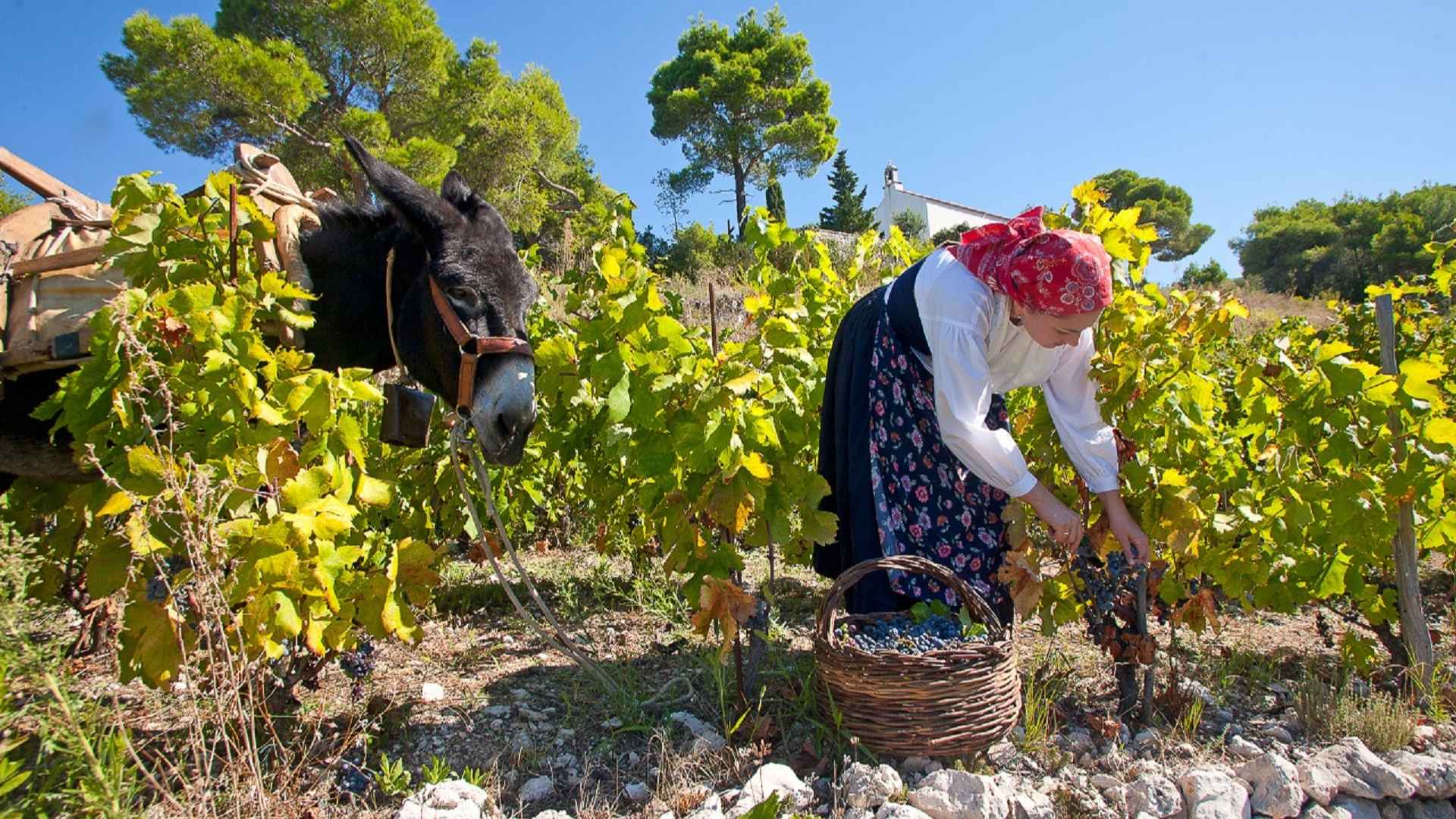
The peninsula’s rocky slopes, intense sunshine, and mineral-rich soil create ideal conditions for growing Plavac Mali, Croatia’s most famous red grape variety. Some of the country’s most prestigious wines come from the regions of Dingač and Postup.
Wine production here dates back centuries. Traditionally, families cultivated small vineyard plots, passing techniques and knowledge from one generation to the next. Harvest season remains one of the most important times of year — a period of hard work, celebration, and community spirit.
Today, visitors can explore boutique wineries, meet local winemakers, and taste bold, sun-rich reds overlooking the very slopes where the grapes were grown. Wine on Pelješac isn’t just a product — it’s heritage in a glass.
Find out more about Pelješac Wine Tours.
A Culture of Simplicity and Strength
Life on Pelješac has never been easy. The terrain is rugged, the summers are hot, and historically the economy relied on agriculture, fishing, and seafaring — all demanding professions.
This created a culture known for resilience, hospitality, and understated pride.
Traditional stone houses were built to withstand strong winds. Olive oil, figs, almonds, and carob trees became staples of daily life. Fishing villages developed their own rhythms, tied to tides and seasons.
Food culture here reflects that simplicity:
- Fresh grilled fish
- Black risotto
- Octopus under peka
- Local olive oil and homemade bread
Meals are rarely rushed. They are social occasions — moments to gather, share stories, and enjoy the fruits of both land and sea.
The best restaurants in Orebić and the area.
Festivals and Living Traditions
Despite its quiet atmosphere, Pelješac maintains strong cultural traditions.
Religious festivals remain central to community life, particularly during summer. Processions, church celebrations, and local feast days bring villages together.
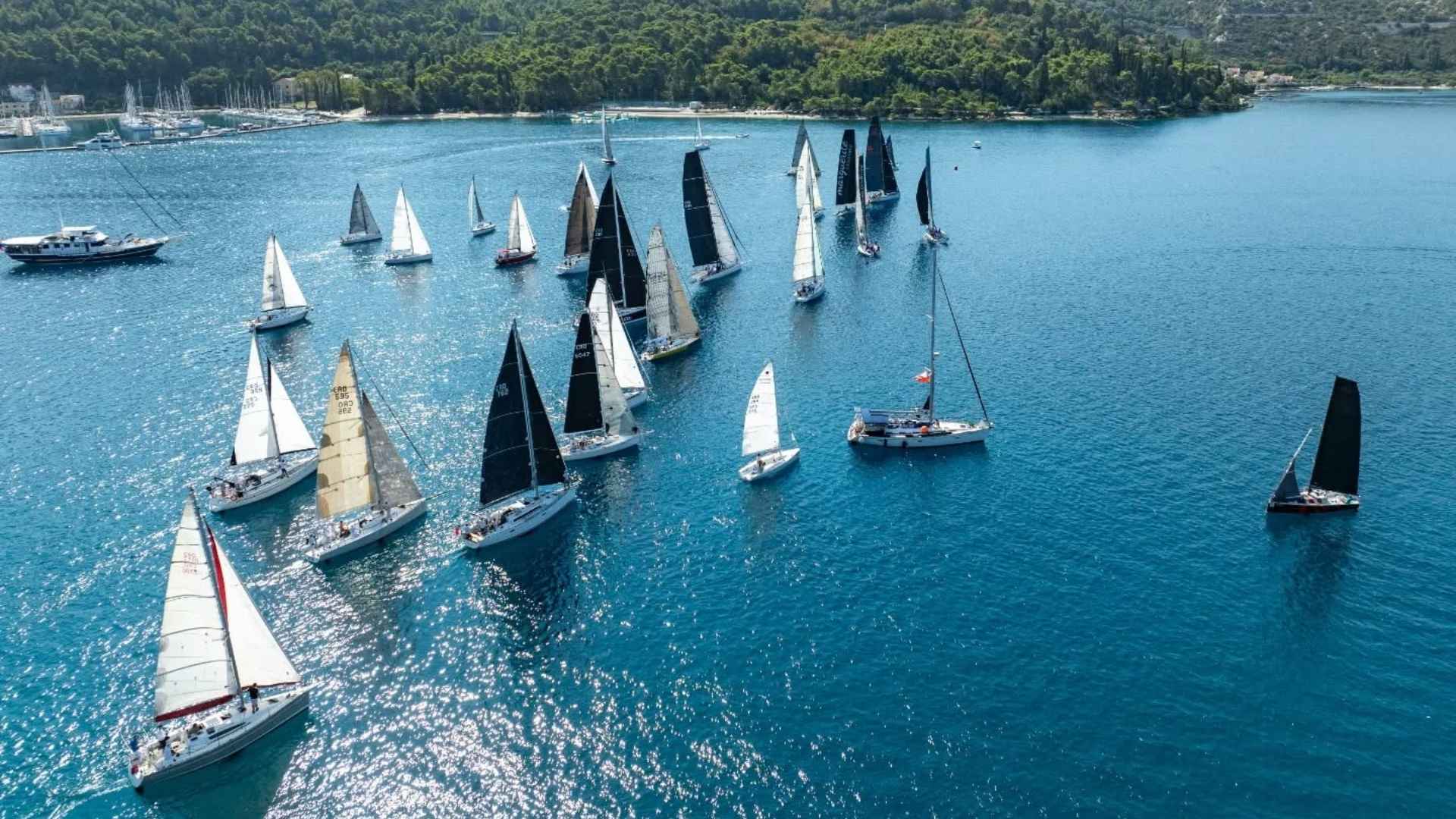
In coastal towns, maritime heritage is often celebrated through regattas and sailing events. Meanwhile, wine festivals showcase local producers and traditional music.
Klapa singing — traditional Dalmatian a cappella harmony — can sometimes be heard during celebrations. The songs often speak of love, the sea, longing, and homeland — themes deeply tied to the Dalmatian identity.
These traditions aren’t performed for tourists; they are lived experiences passed down through generations.
Modern Pelješac: Connected but Authentic
In recent years, Pelješac has become more accessible thanks to the construction of the Pelješac Bridge, which connects the peninsula directly to mainland Croatia. This major infrastructure project reduced travel time and strengthened regional connections.
Yet despite improved access, Pelješac has managed to retain its authentic character. There are no massive resort complexes dominating the coastline. Instead, you’ll find family-run accommodations, small konobas, and quiet beaches.
Tourism here feels integrated rather than imposed — an extension of local hospitality rather than a replacement for tradition.
A Peninsula with a Story
What makes Pelješac truly special is not just its natural beauty but its depth.
It is a place where medieval walls still guard ancient salt pans. Where sea captains once set sail toward distant horizons. Where vineyards cling to steep, sun-burned slopes. Where family traditions matter.
The peninsula teaches patience — through slow meals, long sunsets, and winding coastal roads. It teaches resilience — through centuries of adaptation and survival. And it teaches appreciation — for craftsmanship, for nature, and for community.
For visitors, Pelješac offers more than a holiday destination. It offers connection — to history, to culture, and to a way of life that remains grounded in authenticity.
Spend time here, and you’ll begin to understand: Pelješac isn’t just a place on the map. It’s a story still being written, shaped by the same sea, stone, and sun that have defined it for centuries.