
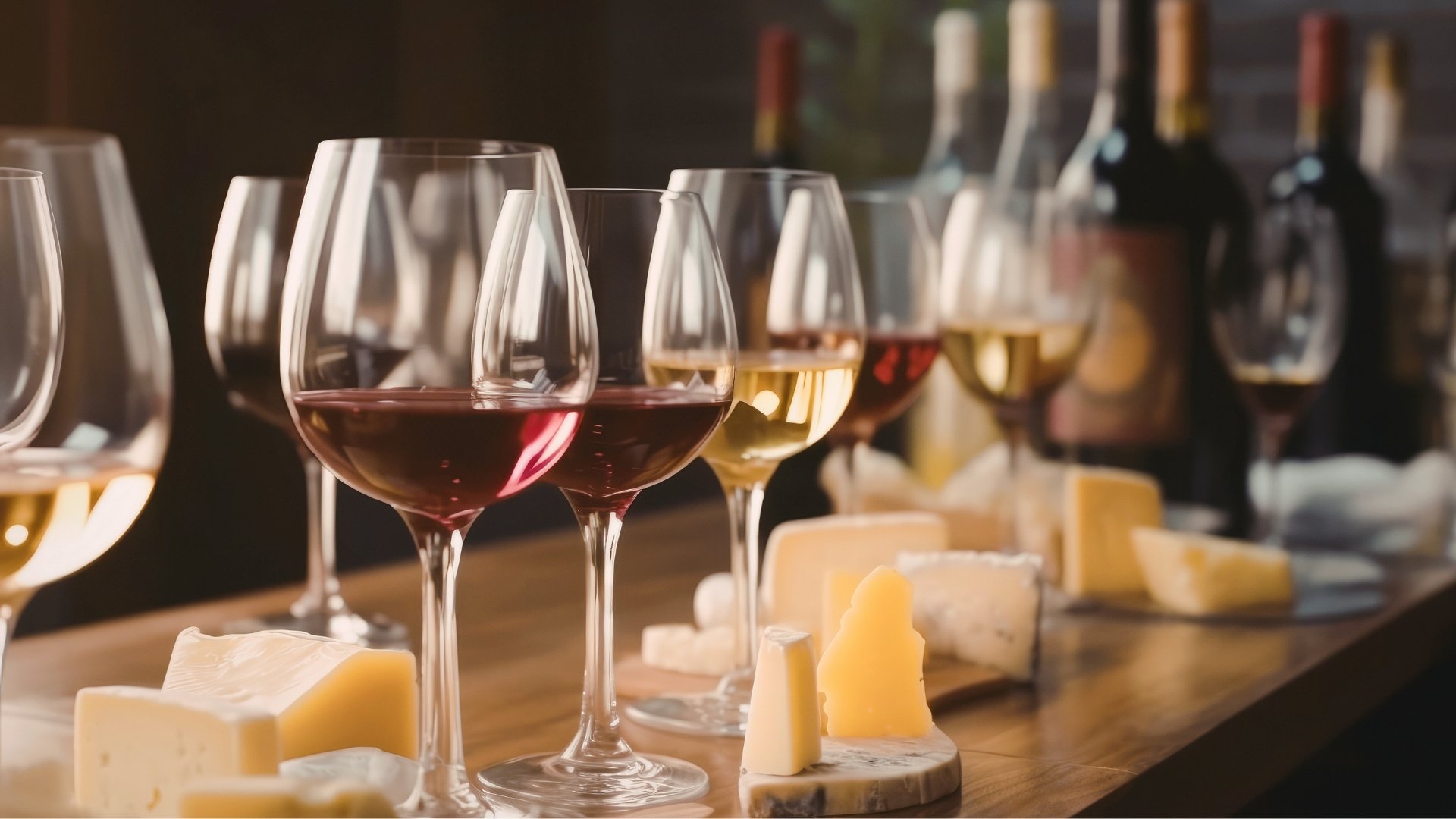
The Pelješac Peninsula is one of Croatia’s most respected wine regions. Stretching along the Adriatic between Ston and Orebić, this sun-drenched strip of land produces some of the boldest and most distinctive wines in the country.
If you are visiting Orebić or exploring southern Dalmatia, understanding the local grape varieties will completely change how you experience wine here. Pelješac is not just about drinking a glass of red with dinner — it is about tasting the landscape itself.
Between winery visits, you may also want to explore the best beaches and outdoor activities around Orebić.
This guide explains the key varieties that define the region, especially Plavac Mali and Pošip, and helps you understand what makes them so special.
Why Pelješac Produces Such Powerful Wines
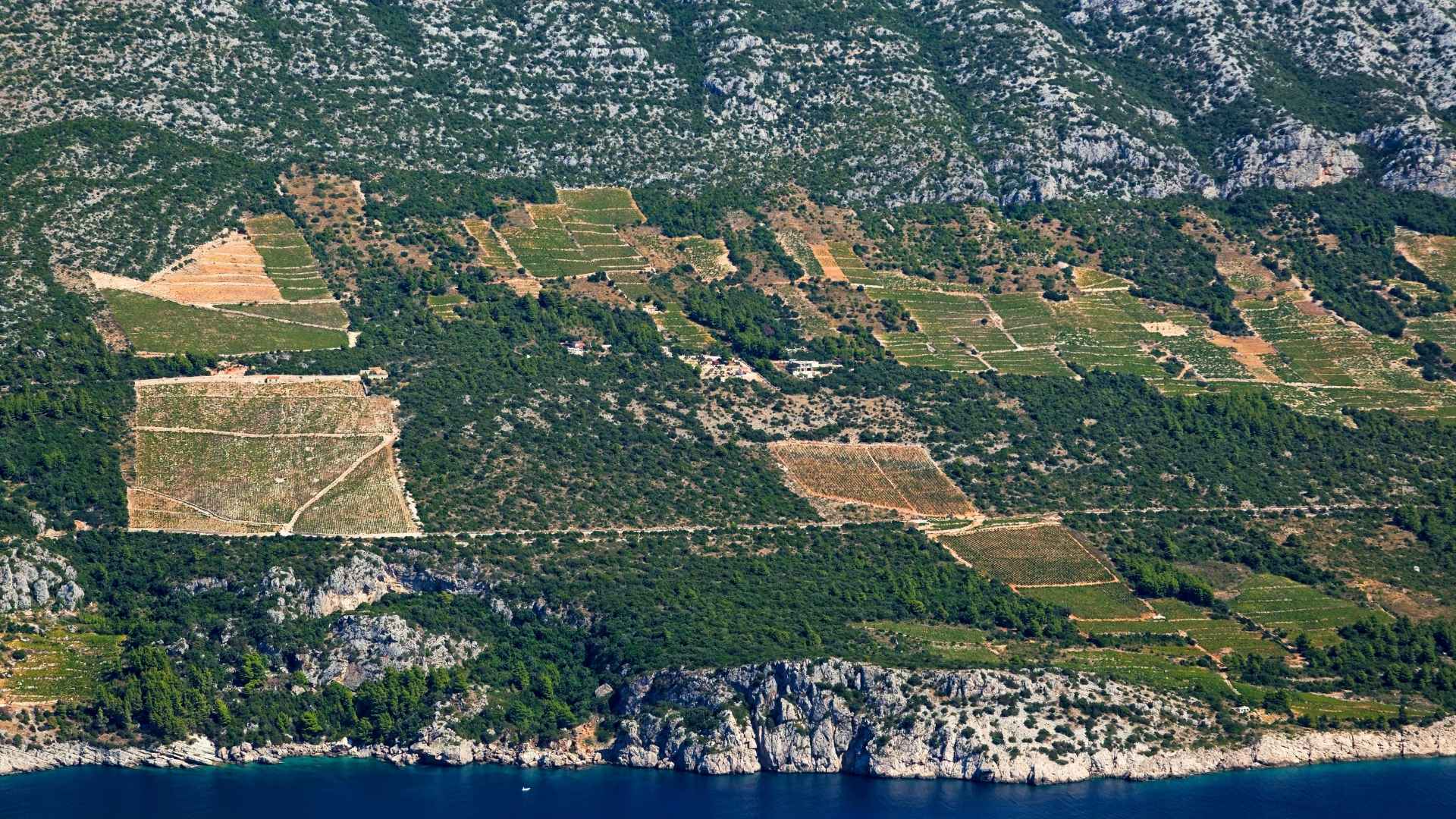
Pelješac has nearly ideal natural conditions for growing grapes. The vineyards are planted on steep, rocky slopes that face directly south, soaking up sunlight from morning until evening. The sea reflects additional light onto the vines, while limestone-rich soil forces roots to dig deep for nutrients.
The result is intensity. Grapes ripen fully here, developing high sugar levels and concentrated flavors. That intensity defines Pelješac wines, particularly the reds.
Winemaking on the peninsula goes back more than two thousand years, and today it remains one of Croatia’s most prestigious wine areas.
Plavac Mali – The King of Pelješac
If one grape represents Pelješac, it is Plavac Mali. This indigenous Croatian variety thrives in extreme heat and rocky terrain, which is exactly what the peninsula provides.
Plavac Mali wines are typically dark, powerful and structured. In the glass you can expect flavors of ripe cherry, blackberry and dried fig, often layered with notes of Mediterranean herbs and spice. With aging, hints of chocolate and tobacco appear. Alcohol levels are usually high, and tannins are firm, which makes these wines excellent partners for grilled lamb, steak or aged cheeses.
For wine enthusiasts, it is also interesting to know that Plavac Mali is genetically related to Zinfandel, giving it an international connection while remaining distinctly Dalmatian in character.
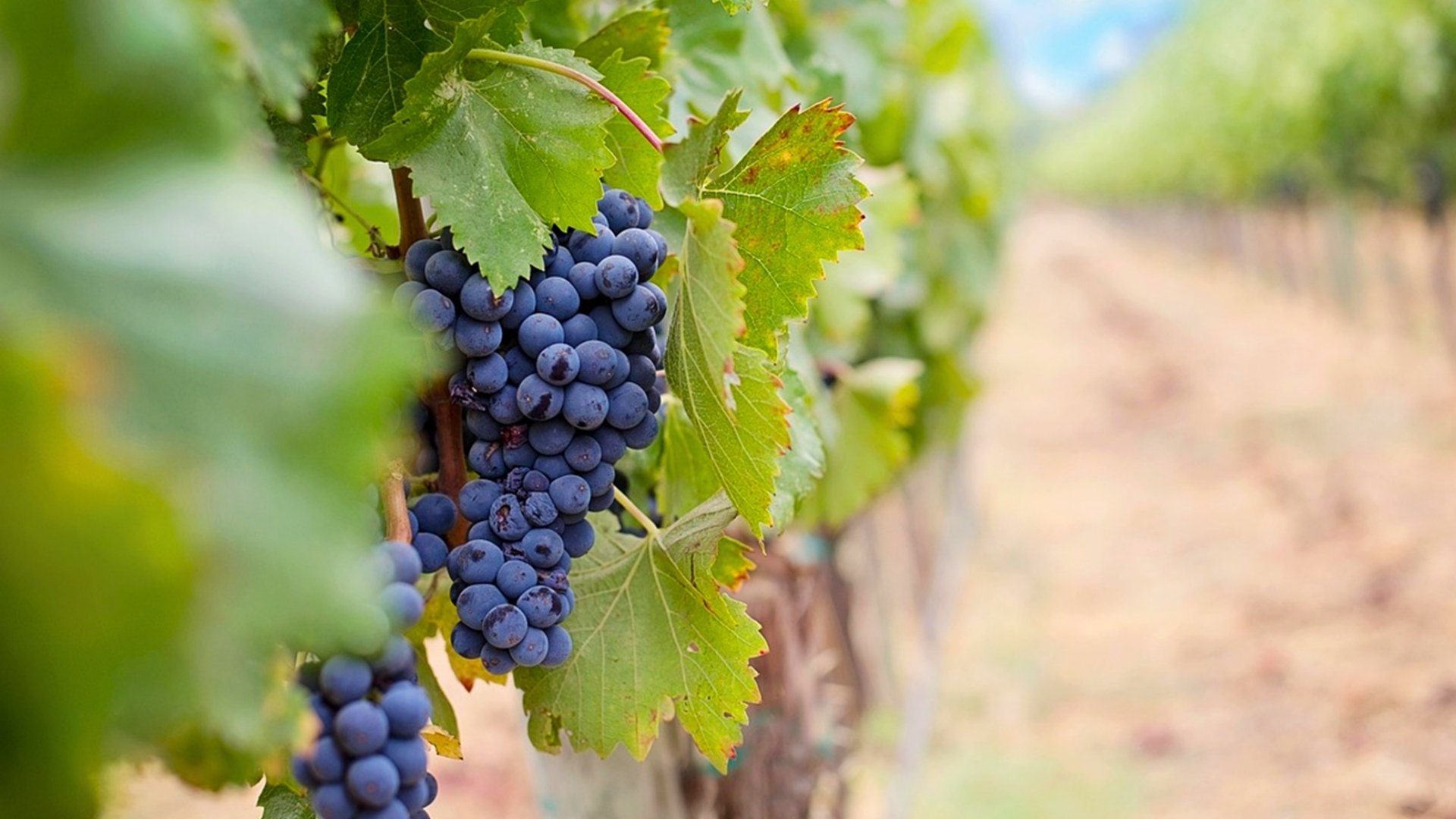
Dingač and Postup – Two Expressions of Plavac Mali
Within Pelješac, two protected subregions stand out.
Dingač is considered Croatia’s most prestigious red wine area. The vineyards cling dramatically to near-vertical slopes above the sea. Because of the intense sun exposure and reflected light, Dingač wines are often deeply concentrated, full-bodied and built for aging. They are bold and complex, sometimes reaching impressive alcohol levels while maintaining remarkable depth.
Postup lies slightly northwest and produces wines that are still powerful but often more approachable. Postup wines tend to show elegance and balance, with softer tannins and slightly fresher character. For many visitors, Postup is an excellent introduction to Pelješac reds before moving toward the heavier Dingač styles.
Tasting powerful reds like Dingač is best enjoyed without worrying about the drive back. Many visitors choose a private wine tour from Orebić so they can explore multiple wineries safely and comfortably.
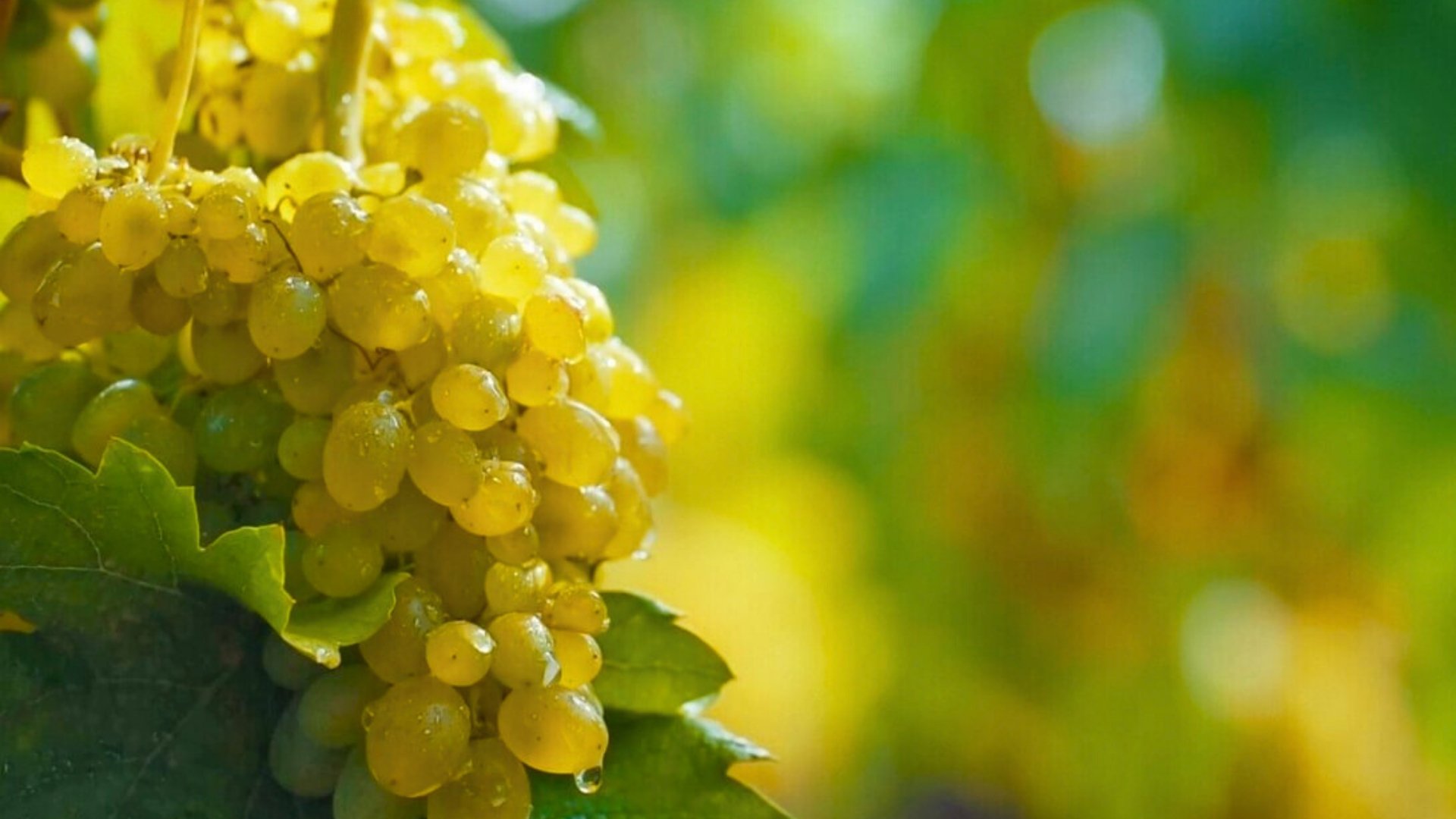
Pošip – The White Counterbalance
Although Pelješac is famous for red wines, white wine lovers should not overlook Pošip. Originally from nearby Korčula Island, Pošip adapts beautifully to southern Dalmatia’s climate. It produces aromatic and vibrant wines, often showing notes of citrus, green apple, and delicate floral aromas, all balanced by a pleasant mineral backbone. These wines pair effortlessly with Adriatic seafood, fresh oysters from Ston, grilled fish, or light pasta dishes. On a warm summer evening by the sea, a chilled glass of Pošip feels perfectly at home.
Another local white worth trying is Rukatac, also known as Maraština. This lighter, easy-drinking wine has gentle fruit flavors and subtle almond notes, making it a refreshing choice, especially for lunch or a daytime tasting. Just across the channel on Korčula, you may also encounter Grk, a coastal white with pronounced minerality and a slightly saline character. Sampling Grk alongside Pošip and Rukatac gives a broader perspective of southern Dalmatian whites.
If you want to pair your wine tasting with delicious local dishes, check out our guide to the top restaurants and konobas in Orebić and around. These carefully selected spots serve the freshest seafood, traditional Dalmatian specialties, and offer the perfect complement to the wines of the region.
Where to Try Pelješac Wines
Exploring the peninsula through its wineries is one of the most rewarding experiences you can have here. Several respected producers are located between Ston and Orebić, each offering a slightly different interpretation of local grapes.
Skaramuča Winery
Located near the village of Potomje, Skaramuča Winery is one of the largest family-owned producers on Pelješac. The Skaramuča family has built a strong reputation for wines that reflect the intense conditions of the peninsula’s steep, sun-exposed vineyards. Their focus is primarily on Plavac Mali, especially powerful Dingač wines known for deep color, concentrated dark fruit flavors and the bold structure typical of this prestigious area.
A visit to Skaramuča offers a relaxed and authentic tasting experience. Visitors can sample several expressions of Plavac Mali, along with a fresh Pošip and a vibrant rosé, while learning about the family’s connection to the surrounding vineyards. For travelers exploring Pelješac, Skaramuča provides a clear introduction to the rich, sun-driven style that defines the region’s wines.
Matuško Winery
Located in the village of Potomje, Matuško Winery is one of the most recognized names on Pelješac. It is home to the second largest wine cellar in Croatia, an impressive underground space that reflects the scale of their production.
Matuško is especially known for powerful Dingač wines that showcase the full strength of Plavac Mali. Their reds are bold, concentrated and ideal for aging. Visiting the cellar itself is an experience, as the sheer size of the barrels and storage halls leaves a strong impression. For those who want to understand the classic, robust style of Pelješac reds, Matuško provides a clear reference point.
Saints Hills Winery
Saints Hills offers a more contemporary interpretation of Dalmatian wines. With modern production facilities and panoramic views over the vineyards, it combines tradition with innovation. Their Plavac Mali wines are refined and elegant, often slightly more polished in style.
A tasting at Saints Hills is not only about the wine but also about the atmosphere. The scenic setting makes it a memorable stop, especially for visitors who appreciate architecture and design alongside quality winemaking.
Korta Katarina Winery
Situated in Orebić along the coast, Korta Katarina pairs high-end wine production with a beautiful seaside location. The estate is known for carefully crafted Plavac Mali and Pošip wines that emphasize balance and finesse.
In addition to their reds and whites, Korta Katarina produces a rosé that is often considered among the best in Croatia. Fresh, elegant and beautifully balanced, it is particularly popular during the summer season. Because of its proximity to Orebić, it is a convenient and refined option for guests who want a premium tasting experience close to town.
Mikulić Winery
Mikulić Winery, located near Orebić, offers something truly distinctive. Beyond producing quality wines, it houses a small wine museum that showcases traditional tools, historical photographs and artifacts from generations of local winemaking. The museum provides insight into how families on Pelješac have cultivated vines for centuries.
Their Postup wine deserves special attention. It expresses the elegance typical of the Postup region while maintaining richness and structure. Balanced tannins, ripe fruit and a smooth finish make it both authentic and approachable. A tasting at Mikulić feels personal and rooted in heritage, offering visitors both cultural depth and excellent wine in one place.
Planning a Wine Tasting Day
When organizing a wine tasting day on Pelješac, it helps to plan ahead. Most wineries prefer reservations, especially during the summer season. Visiting three wineries in one day is usually enough to enjoy the diversity without feeling rushed.
Because many vineyards sit on narrow hillside roads, driving can be challenging, particularly after tastings that include strong reds like Dingač. For this reason, many visitors choose to arrange private transport so they can relax and fully enjoy the experience.
A Region You Can Taste
Pelješac wines reflect their environment. They are shaped by sun, stone and sea. Whether you find yourself enjoying a bold glass of Plavac Mali overlooking the Adriatic or sipping fresh Pošip with seafood in Orebić, the connection between land and wine is unmistakable.
Exploring local varieties adds depth to any visit to southern Dalmatia. Once you understand the grapes and the regions behind them, every glass tells a clearer story.
And on Pelješac, that story is always full of character.
If you’re planning a wine tasting day on Pelješac, arrange your private wine tour in advance and enjoy the experience without compromise. Relax, take in the views and let someone else handle the roads.